
Stadium Expansion
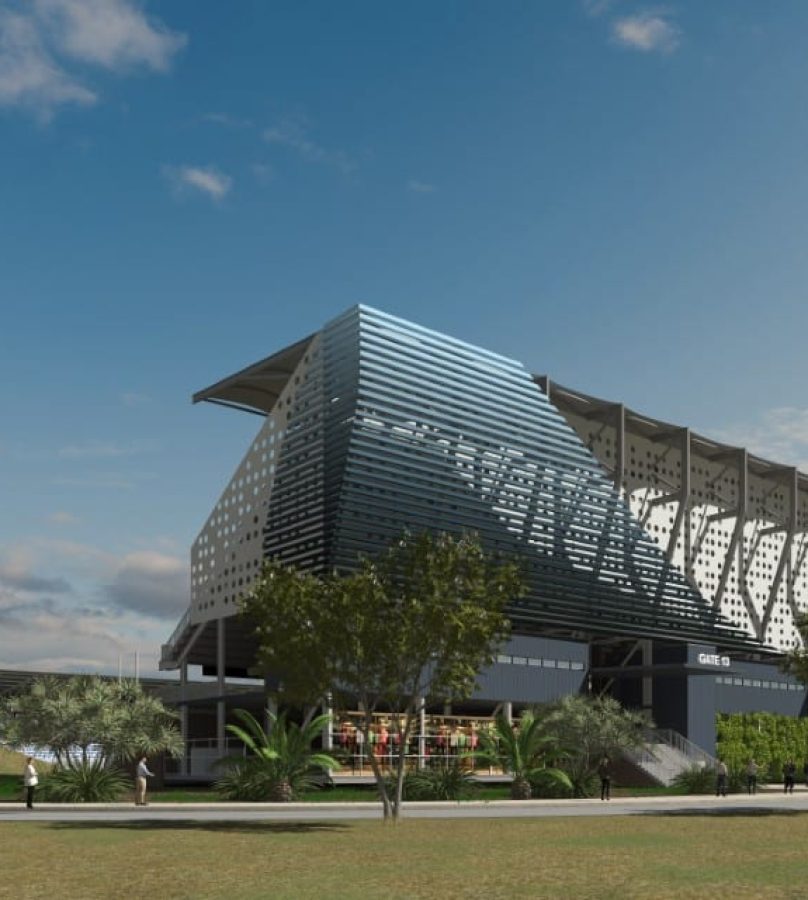

Engineering Olympic-ready infrastructure through proven expertise in existing structure transformation.
The expansion of Sunshine Coast Stadium is vital for South East Queensland’s entertainment and sporting industry as Brisbane’s 2032 Olympic Games preparations advance. Sunshine Coast Council engaged ADG through Aspect Architects and Project Managers to deliver design documentation transforming this premier facility within existing operational constraints. Our structural engineering expertise enabled comprehensive tender documentation expanding western grandstand capacity from 1,046 to 3,533 seats whilst designing a new 12,000-seat eastern grandstand, boosting total venue capacity from 12,000 to 16,000. Working within live stadium operations, ADG’s forensic analysis, dynamic response modelling and locally-focused construction methodology delivered cost-effective design achieving bottom 10% $/seat benchmarking whilst retaining over 2 tonnes of embodied carbon through existing structure repurposing.
CONSTRUCTION VALUE
CAPACITY INCREASE
ADDITIONAL FIXED SEATS
EMBODIED CARBON RETAINED
ADG's forensic analysis and dynamic response modelling enabled stadium expansion achieving bottom 10% $/seat cost benchmarking across Australian stadia whilst retaining over 2 tonnes of embodied carbon through existing structure repurposing.
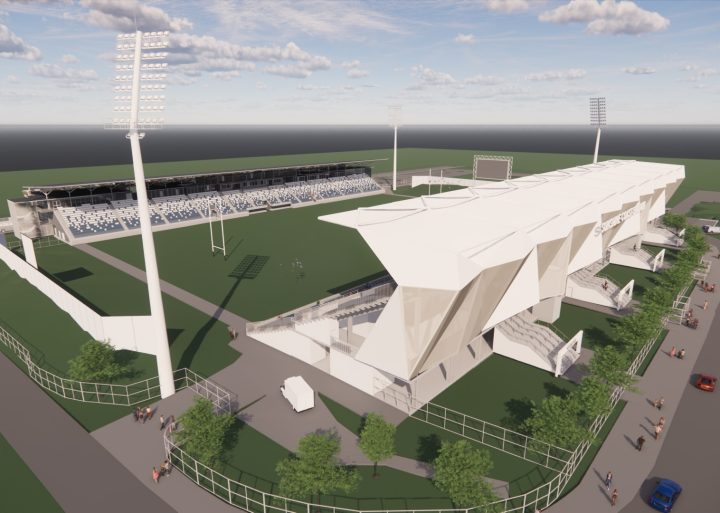
Working Within Existing Infrastructure
Delivering expansion design whilst maintaining operational stadium functionality and integrating seamlessly with existing structure
- Completed modelling and forensic analysis of existing structure condition and performance
- Analysed existing ground conditions accommodating proposed design whilst minimising long-term secondary settlement impacts
- Developed staged construction analysis ensuring seamless interface between existing and new build
- Worked within operational stadium constraints maintaining functionality throughout design development
- Enabled cost-effective expansion through existing structure retention and strategic repurposing
Dynamic Response and Multi-Use Analysis
Designing dynamically sensitive grandstand structures performing across diverse crowd-loading scenarios from sporting events to major concerts
- Conducted detailed dynamic analysis and modelling of steel frame grandstand structures
- Modelled structural response under complex crowd-loading scenarios including synchronised movement
- Analysed multi-mode rhythmic response for concert events requiring sophisticated vibration performance
- Ensured design safety and comfort across diverse entertainment and sporting use cases
- Delivered structures capable of hosting international-scale events with varied crowd dynamics
Locally-Focused Construction Methodology
Creating simplified construction approaches suited to Sunshine Coast trade market capabilities whilst achieving cost-effective outcomes
- Incorporated construction methodologies aligned with local trade market capability
- Designed for ease of construction supporting local labour and material sourcing requirements
- Achieved bottom 10% $/seat cost benchmarking across Australian stadia through efficient design
- Enabled locally-sourced construction delivery supporting regional economic outcomes
- Balanced sophisticated engineering requirements with practical construction feasibility
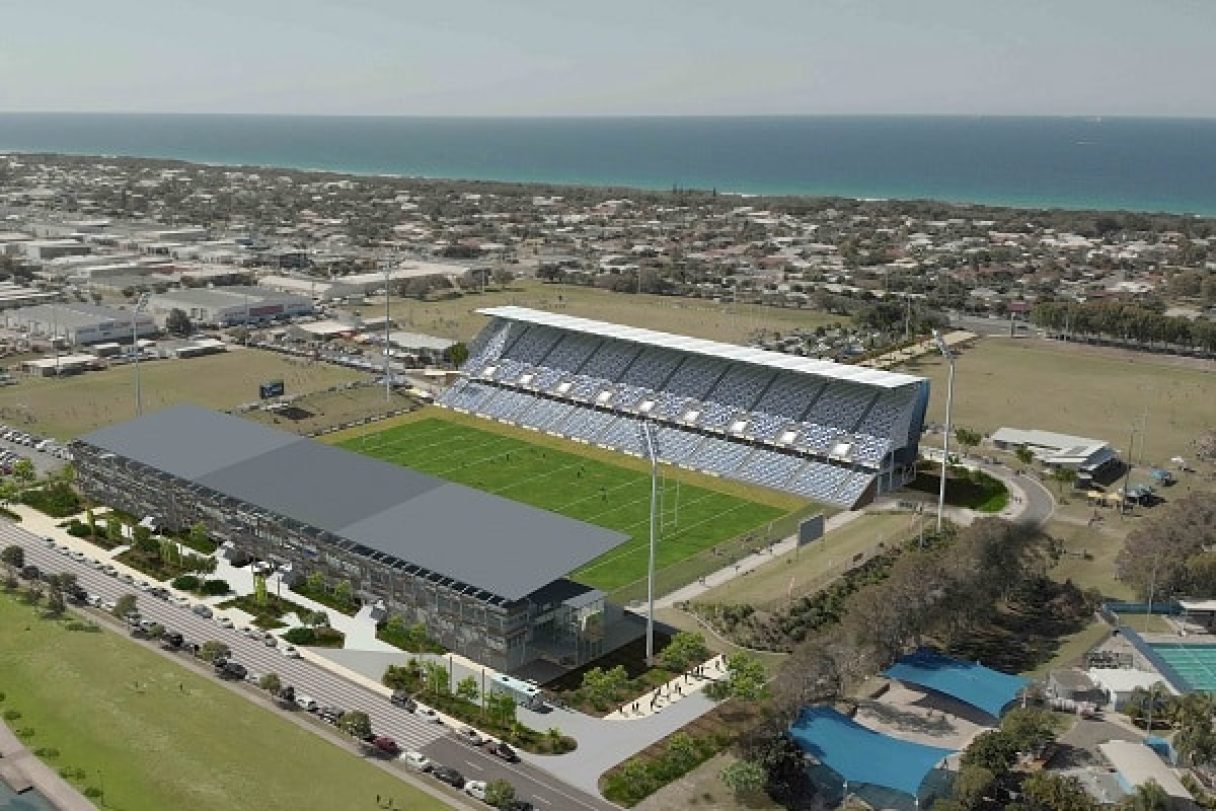
ADG was engaged by Sunshine Coast Council through Aspect Architects and Project Managers to deliver comprehensive structural engineering design documentation for Sunshine Coast Stadium’s expansion. Our team provided forensic analysis, dynamic response modelling and construction methodology expertise working within existing stadium infrastructure and operational constraints.
The project required sophisticated engineering addressing dynamically sensitive grandstand structures whilst working within live stadium operations. ADG’s forensic analysis of existing structure condition and performance enabled strategic decisions about retention, repurposing and new construction integration. Analysis of existing ground conditions informed design approaches minimising long-term secondary settlement impacts whilst staged construction analysis ensured seamless interface between existing and new build elements.
Dynamic response analysis formed a critical component of our engineering approach.
Detailed modelling of steel frame grandstand structures evaluated performance under complex crowd-loading scenarios, including multi-mode rhythmic response for concert events. This sophisticated analysis ensured structural safety and spectator comfort across diverse entertainment and sporting uses, from synchronised crowd movement during sporting events to sustained vibration during major concerts.
ADG incorporated simplified construction methodologies specifically suited to Sunshine Coast’s local trade market capabilities. This locally-focused approach enabled practical construction delivery whilst achieving remarkable cost efficiency—verified cost estimates confirmed $/seat costs within the bottom 10% of benchmarked Australian stadia, demonstrating how engineering expertise delivers value for money.
Sustainability outcomes featured prominently through existing structure repurposing. The retention and integration of existing grandstand infrastructure represented best practice sustainability, preserving in excess of 2 tonnes of embodied carbon whilst achieving expansion objectives. This approach demonstrated how forensic engineering expertise enables sustainable outcomes through strategic infrastructure retention.
Tender documentation was completed for western grandstand expansion from 1,046 seats to 3,533 seats alongside comprehensive design for a new 12,000-seat eastern grandstand. The eastern grandstand design featured lightweight tensile fabric roof, steel-framed infrastructure composite, steel concrete concourse and precast concrete seating platforms, boosting total venue seating capacity from 12,000 to 16,000. Enhanced facilities for athletes and officials, expanded multi-purpose public spaces, improved first-aid facilities and upgraded spectator amenities complemented the capacity expansion.
The documented design positioned Sunshine Coast Stadium for longer-term Olympic transformation, with potential expansion to 20,000-25,000 patron capacity through additional grandstand development supporting Brisbane’s 2032 Olympic Games ambitions. ADG’s proven expertise working within existing infrastructure constraints whilst delivering cost-effective, sustainable design solutions demonstrates our capability to support the next phase of this vital Queensland sports infrastructure project.
Forensic analysis
Working within operational stadium infrastructure demands sophisticated forensic engineering expertise understanding existing conditions, structural performance and integration opportunities. ADG’s comprehensive forensic analysis evaluated existing structure condition, ground conditions and staged construction requirements, enabling strategic decisions about retention, repurposing and new construction. This expertise delivered sustainable outcomes through existing infrastructure retention, preserving over 2 tonnes of embodied carbon whilst achieving expansion objectives. Our analysis ensured seamless interface between existing and new build elements, maintaining structural integrity whilst enabling cost-effective capacity growth. This proven capability in existing structure transformation positions ADG to deliver the next phase of Sunshine Coast Stadium’s Olympic infrastructure development.
Dynamic Response
Modern entertainment venues must perform across diverse scenarios from sporting events to major concerts, each creating unique structural demands. ADG’s detailed dynamic analysis and modelling evaluated steel frame grandstand response under complex crowd-loading scenarios, including multi-mode rhythmic response for concert events requiring sophisticated vibration performance assessment. This technical rigour ensured structural safety and spectator comfort across all use cases, from synchronised crowd movement during sporting events to sustained vibration during major entertainment performances. Our dynamic response expertise enables stadium infrastructure supporting international-scale events with varied crowd dynamics, demonstrating engineering capability essential for Olympic-standard facilities serving diverse entertainment and sporting requirements.
Local employment
ADG’s locally-focused construction methodology achieved remarkable cost efficiency whilst supporting Sunshine Coast’s trade market capabilities. Our simplified construction approaches suited local labour and material capabilities, enabling practical delivery meeting Council’s locally-sourced requirements. Verified cost estimates confirmed $/seat costs within the bottom 10% of benchmarked Australian stadia, demonstrating how engineering expertise delivers exceptional value for money. This approach balanced sophisticated engineering requirements with construction feasibility, ensuring designs could be delivered efficiently by local contractors. Our proven track record achieving cost-effective outcomes through locally-focused methodology positions ADG to support the next phase of stadium development, delivering Olympic-ready infrastructure through practical, value-driven engineering.
Let’s start the conversation.
Meet the team or connect with your local ADG office.

Related Projects
Sunshine Coast City Hall
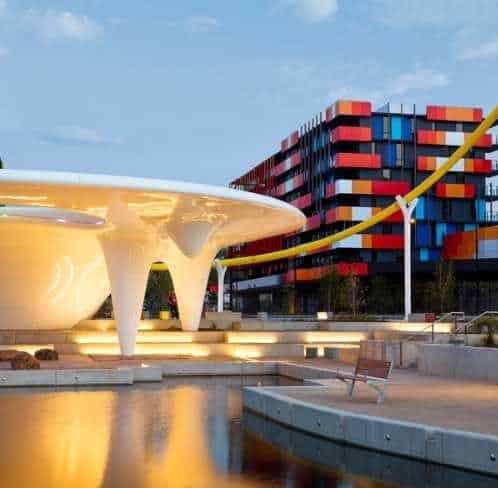
Commonwealth Games Athletes Village
