Adina Hotel
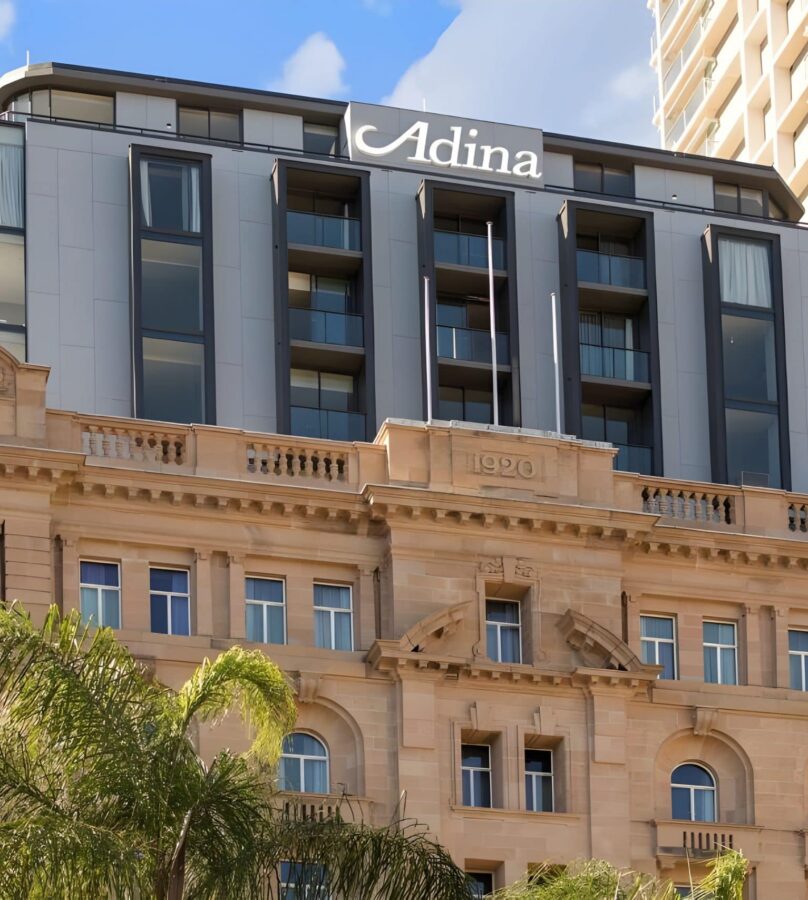

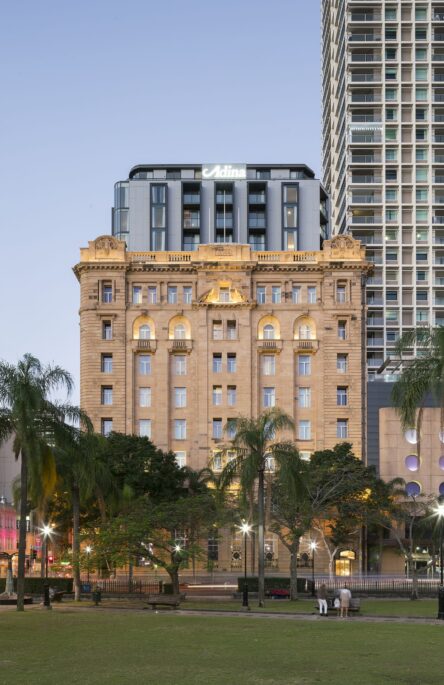
The Adina Hotel redevelopment in Brisbane’s CBD is a showcase of heritage preservation combined with modern engineering excellence. Originally built between 1914 and 1922, this 110-year-old, eight-storey landmark was transformed through the addition of five new storeys without major reinforcement to the original structure.
ADG delivered this complex upgrade by applying advanced structural analysis, detailed material investigations and innovative construction methodologies. The result was a safe and efficient vertical extension that respected the building’s historic character while meeting today’s performance and sustainability standards.
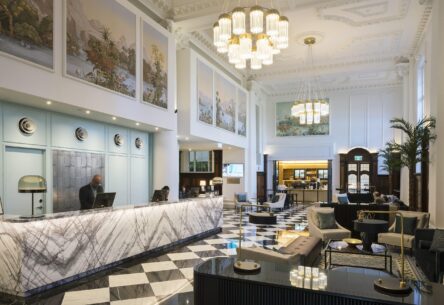
This $45 million transformation preserved iconic heritage features such as ornate ceilings and grand staircases, while introducing modern functionality and extending the building’s life for future generations.
HERITAGE BUILDING
COMPLETED
CONSTRUCTION VALUE
ADDITIONAL STOREYS ADDED
ADG is committed to whole-of-life engineering strategies that maximise a building’s structural potential, adapt it for contemporary use, and ensure longevity. Through innovative methodologies and sustainable principles, we transform aged structures into revitalised assets, delivering economic, environmental, and community benefits.
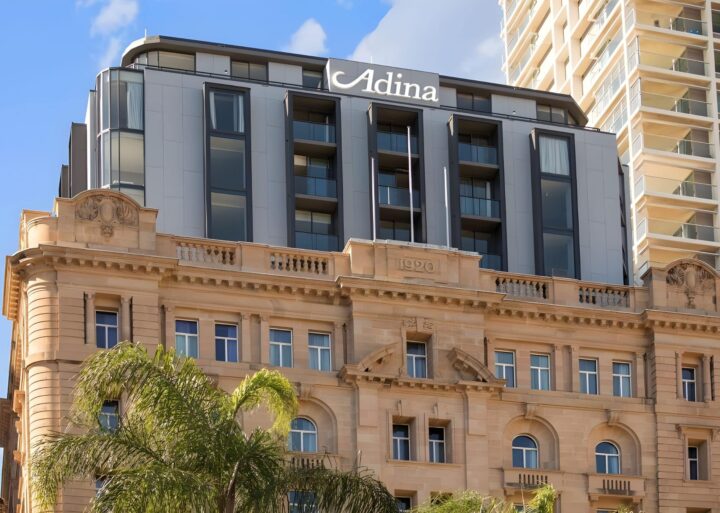
Vertical Expansion on a Heritage Structure
Adding five new levels above a 110-year-old building without major reinforcement below required precise engineering and innovative methodologies.
Complex and Non-Standard Original Construction
The building combined sandstone, concrete, timber, and steel in irregular ways due to World War I material shortages, making structural behavior difficult to predict.
Preserving Heritage Features During Construction
Protecting ornate ceilings, grand staircases, and other bespoke heritage elements while accelerating construction timelines posed significant logistical and structural engineering challenges for temporary and permanent works.
By leveraging advanced analysis and real-time data, ADG gave the client confidence that five additional floors could be added without costly structural overhauls.
This approach unlocked maximum yield from the existing asset, turning a heritage building into a high-performing hotel while preserving its historic character.
The innovative construction methodology meant faster delivery and reduced disruption, allowing two construction fronts to progress simultaneously. This saved time, minimized risk and kept the project on track for commercial goals.
Comprehensive testing and monitoring ensured certainty at every stage, avoiding surprises and unnecessary contingency costs. And by repurposing the existing structure, the client achieved a sustainable solution that reduced waste, preserved embodied carbon and aligned with modern sustainability expectations without compromising design or guest experience.
Here’s the specifics:
- A detailed finite element analysis and comprehensive testing regime were developed to facilitate the addition of five levels without requiring extensive structural modifications to the original building.
- Working closely with the building contractor, ADG devised a unique construction methodology, allowing super-structure slabs to be built up from the existing roof slab ahead of the core lift and stair shafts, which were still being constructed from the basement upwards.
- Comprehensive testing and investigation included GPR and ferro-scan surveys to map the as-built reinforcement details and geometry of existing slabs, beams, and columns.
- Material tests for compressive strength, carbonation penetration depth, and chloride ion content were conducted across multiple levels, providing critical data on the structure’s durability and life span.
- Point cloud surveys recreated the building in 3D space, enabling precise modelling and monitoring of movement during construction.
- Temporary steel columns aligned with the existing structure enabled simultaneous construction progress, while hydraulic jacks carefully released loads and adjusted the building’s vertical load path to fully utilise the remaining redundant load capacity.
Unlocked Yield
Five New Levels, Zero Compromise
ADG successfully added five floors above the heritage structure without major reinforcement, preserving its historic character while unlocking significant commercial yield.
Faster Delivery, Lower Risk
Innovative sequencing allowed two construction fronts to progress at once, accelerating timelines and reducing disruption. Real-world data replaced conservative assumptions, eliminating costly surprises.
Commercial & Sustainability
Sustainability Built In
By repurposing the existing structure, the project avoided demolition waste, preserved embodied carbon, and aligned with sustainability goals, all while enhancing energy efficiency and performance.
Exceeding Feasibility
The redevelopment fully utilised the building’s remaining structural capacity, delivering a result that outperformed initial projections and set a new benchmark for heritage projects.
Your heritage. Our expertise.
Meet the team or connect with your local ADG office.

Related Projects

32 Smith Street | Parramatta
Herston Quarter