
Youth Detention Centre


Engineering therapeutic environments that support young lives
ADG delivered comprehensive structural and civil engineering for Queensland’s new youth detention centre at Woodford, creating infrastructure that serves young people whilst strengthening community safety. The $980 million facility spans 12 hectares, incorporating evidence-based design principles including trauma-informed approaches, Crime Prevention Through Environmental Design (CPTED), and carceral geography considerations that reduce stress and support rehabilitation outcomes.
Working collaboratively with Phillips Smith Conwell Architects, BESIX Watpac, and the Jinibara People Aboriginal Corporation, ADG engineered two 40-bed campuses with shared secure boundaries, 22 built facilities, and extensive civil works supporting the Queensland Government’s goal of regional youth detention services that maintain connection to family, community, and Country.
Construction documentation completed July 2024.
PROJECT VALUE
ACROSS TWO CAMPUSES
SECURE PRECINCT
BUILT FACILITIES DESIGNED
Engineering that serves young lives and strengthens communities. This facility represents Queensland's commitment to evidence-based youth justice, addressing the complex needs of young people whilst improving community safety.
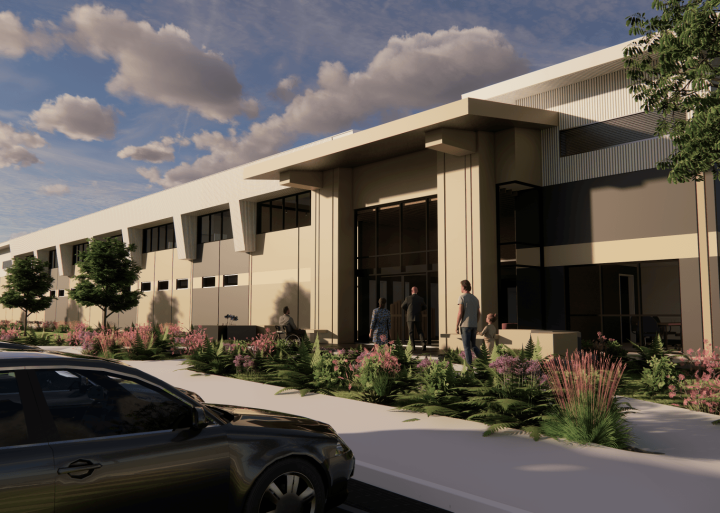


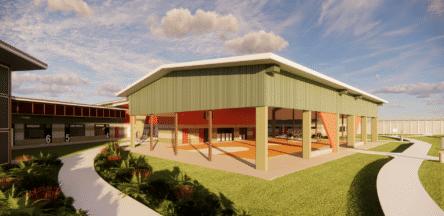
ADG delivered structural and civil engineering that transforms evidence-based youth detention principles into built infrastructure serving Queensland communities. The engineering team created therapeutic environments proven to improve rehabilitation outcomes and community safety whilst meeting stringent security requirements.
Secure Facilities Design
Crime Prevention Through Environmental Design (CPTED) principles were adopted throughout structural planning, creating secure physical environments through strategic engineering. The dual-campus configuration features independent secure perimeters for each 40-bed facility, both enclosed within a shared secure boundary that enables operational control whilst maintaining therapeutic environments.
Security infrastructure balances protection requirements with carceral geography considerations—engineering spaces that enhance safety without reinforcing negative institutional patterns. Structural solutions support supervised transport access, visitor management, and operational security protocols whilst creating environments that feel safe rather than punitive. This approach serves both community safety objectives and young people’s rehabilitation needs through thoughtful infrastructure that reduces stress and supports positive outcomes.
Comprehensive Civil Works Delivery
ADG coordinated civil engineering across 22 built facilities, landscaping, roadworks, car parking, and essential services provision. This infrastructure enables delivery of evidence-based programs addressing complex causes of youth offending — health needs, mental health support, disability services, education engagement, and employment skills development. Multi-purpose spaces received structural engineering supporting education and skills training. Physical activity areas and green spaces integrate throughout the site, with designs supporting both recreational use and cultural programming.
Security Infrastructure
ADG engineered dual-campus security through independent perimeters for each 40-bed facility, both enclosed within a shared secure boundary. This configuration enables operational control whilst maintaining therapeutic environments that reduce stress rather than reinforce institutional patterns.
Structural solutions support supervised transport access, visitor management, and operational protocols through strategic design rather than purely institutional barriers. Security infrastructure serves both community safety objectives and young people’s rehabilitation needs, creating spaces that feel safe without being punitive—ultimately supporting the positive behavioural outcomes that strengthen Queensland communities.
Designed Environments
Landscaping and civil works create secure environments through thoughtful spatial planning rather than imposing barriers. ADG positioned buildings, pathways, green spaces, and activity areas to naturally support sight lines, movement flow, and operational oversight whilst maintaining the therapeutic, home-like feel essential for rehabilitation.
Nature elements integrate throughout the 12-hectare site. Landscaped gardens, physical activity areas, and outdoor spaces proven to reduce anxiety and improve behaviour. Civil engineering enabled these therapeutic landscapes whilst supporting security requirements, creating environments where young people can engage with nature and cultural spaces that support healing and positive change.
Community Impact
This facility addresses youth crime’s complex causes through infrastructure enabling evidence-based rehabilitation. With 53% of young offenders affected by domestic violence, 44% experiencing mental health challenges, and 48% disengaged from education, the centre’s design creates environments supporting individualised intervention and successful community reintegration.
ADG’s structural and civil engineering enables programs addressing health, mental health, disability, education, and employment needs. Multi-purpose spaces, consultation rooms, cultural connection areas, and family visit infrastructure maintain young people’s relationships to community and Country throughout detention—proven essential for reducing recidivism and strengthening community safety across Queensland.
We have local insights.
Meet the team or connect with your local ADG office.

Related Projects
Alice Springs Youth Justice Centre
Darwin Youth Justice Centre
